Catholic Guidance for End-of-Life Decision Making
-
-
Catholic Guidance for End-of-Life Decision Making
Planning for the end of earthly life is a deeply responsible and life-affirming act of stewardship. As Catholics, we approach death not with fear, but with the hope of the Resurrection. Our medical decisions should reflect our belief that life is a gift from God, and while we do not seek to hasten death, we are not required to use every possible medical technology to delay it indefinitely.
Core Principles of Catholic Bioethics
When navigating these decisions, the Church provides two steadying principles:
The Duty to Preserve Life: We have a moral obligation to use Ordinary (Proportionate) Means of care—treatments that offer a reasonable hope of benefit and do not impose an excessive burden on the patient or family.
Accepting the Natural Dying Process: We may legitimately decline Extraordinary (Disproportionate) Means—treatments that are futile, over-burdensome, or simply serve to prolong the dying process rather than sustain life.
The Priority of Sacramental Care
End-of-life planning is not merely a legal matter; it is a spiritual one. We encourage all parishioners to:
Request the Anointing of the Sick: Do not wait until death is imminent. This Sacrament is for strength and healing during serious illness.
The Apostolic Pardon: In the moments near death, a priest can grant this special blessing which includes a plenary indulgence.
Viaticum: Known as "Food for the Journey," this is the final reception of Holy Communion for those nearing the end of life.
Essential Medical Directives
1. The Durable Power of Attorney for Health Care (Preferred)
The USCCB strongly recommends appointing a Health Care Agent (Proxy) rather than relying solely on a written Living Will.
Why? Medical situations are complex and unpredictable. A trusted person who understands your Catholic values can apply the Church’s moral teachings to real-time circumstances, ensuring your dignity is protected.
Action: Choose an agent who is committed to following Catholic moral principles, even if they conflict with secular medical advice.
2. The Living Will (With Caution)
While a Living Will provides written instructions, it can be rigid. If you use one, ensure it contains a "Catholic Clause"stating: "I wish to receive all medical care and treatment in accordance with the moral teachings of the Roman Catholic Church."
3. Nutrition and Hydration (Food and Water)
In accordance with the teachings of Pope St. John Paul II and the USCCB, there is a strong presumption in favor of providing nutrition and hydration, even if medically assisted (via feeding tubes).
Food and water are considered basic care, not medical treatment.
They should only be withdrawn if they are no longer being assimilated by the body or if they cause significant physical discomfort/complications. They should never be removed to "hasten death."
Understanding Medical Orders
DNR (Do Not Resuscitate)
A DNR order is morally permissible if, in the judgment of the patient and physicians, CPR would be disproportionate(e.g., in cases of advanced frailty where the procedure would cause more trauma than benefit). It should never be used as a shorthand for "stop all care."
POLST (Physician Orders for Life-Sustaining Treatment)
In California, the POLST is a powerful document that takes effect immediately.
Caution: Many POLST forms default to "comfort care only," which may inadvertently exclude the "basic care" (like food and water) required by Catholic teaching.
Recommendation: Do not sign a POLST without consulting a priest or a Catholic bioethicist to ensure the "check-box" selections align with the Ethical and Religious Directives for Catholic Health Care Services.
Final Prayerful Discernment
We encourage you to discuss these matters with your family and clergy while you are in good health. By doing so, you provide your loved ones with the gift of clarity and the peace of mind that they are honoring both your wishes and your faith.
Addendum to Advance Health Care Directive
Declarant: [Your Full Name]
Date: [Current Date]
Statement of Religious and Moral Beliefs I am a faithful member of the Roman Catholic Church. It is my desire and my direct instruction that all health care decisions made on my behalf be consistent with the moral teachings of the Catholic Church, specifically as articulated in the Ethical and Religious Directives for Catholic Health Care Services (ERDs) published by the United States Conference of Catholic Bishops (USCCB).
1. Presumption of Life and Basic Care I believe that human life is a gift from God and has inherent dignity from conception to natural death. I wish to receive all "ordinary" or "proportionate" care. This includes hygiene, pain management, and the "basic care" of nutrition and hydration (food and water), even if medically assisted (e.g., via a feeding tube).
Exception: Medically assisted nutrition and hydration may only be withdrawn if it is no longer providing a benefit to my body (i.e., I can no longer assimilate it) or if it is causing me significant physical discomfort or medical complications. It must never be withdrawn with the intent to hasten my death.
2. Rejection of Euthanasia Under no circumstances do I authorize euthanasia, physician-assisted suicide, or any act or omission that, of itself or by intention, causes my death. My life is not to be ended to "relieve suffering."
3. Proportionate vs. Disproportionate Means I authorize my Health Care Agent to refuse or withdraw "extraordinary" or "disproportionate" medical treatments. These are treatments that offer no reasonable hope of benefit or which impose an excessive burden (pain, expense, or hardship) on me or my family. The determination of what is "extraordinary" should be made in consultation with a priest or a Catholic bioethicist whenever possible.
4. Pain Management (Principle of Double Effect) I wish to receive appropriate pain medication to alleviate physical suffering, even if such medication may indirectly or unintentionally shorten my life or cause semi-consciousness. However, the primary intent of such medication must be the relief of pain, not the causing of death.
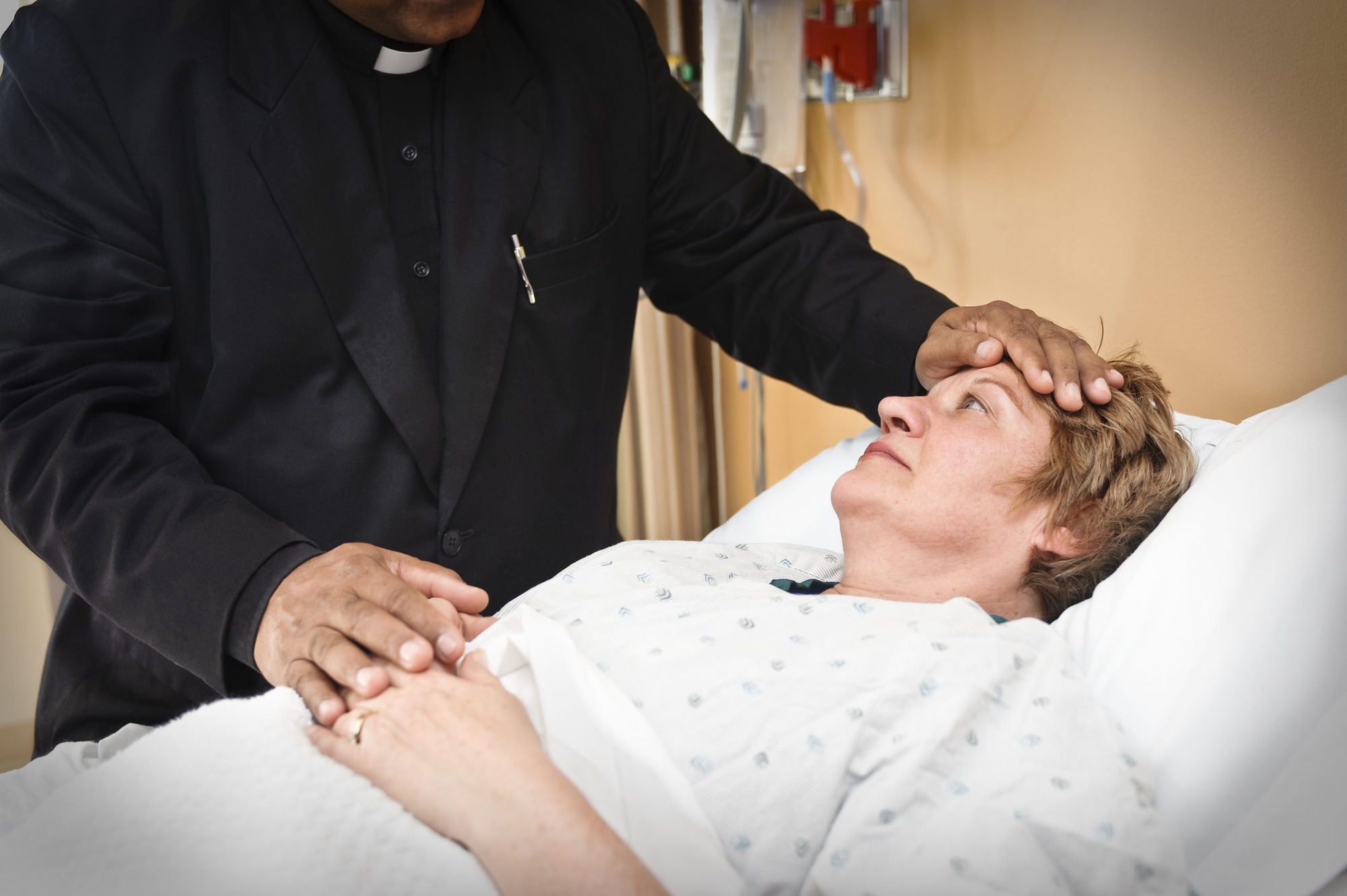
5. Sacramental and Spiritual Care If my death is imminent or if I am suffering from a serious illness, I request that a Catholic Priest be called so that I may receive the Sacraments, specifically:
The Sacrament of Anointing of the Sick.
Viaticum (Holy Communion for the journey).
The Apostolic Pardon (plenary indulgence for the dying).
6. Signature and Intent This addendum is intended to clarify and supersede any conflicting language in the standard Advance Directive form to which it is attached.
Signature: _______________________________________
Date: _________________
How to make this official:
Attach it: Keep this page stapled to your signed California Advance Health Care Directive.
Notarize/Witness: While this is an addendum, it is best to have it signed in the presence of the same two witnesses or notary who sign your main directive.
Distribute: Give a copy to your Health Care Agent, your Primary Care Physician, and keep a copy in your parish file if St. Nicholas and St. William keeps such records.